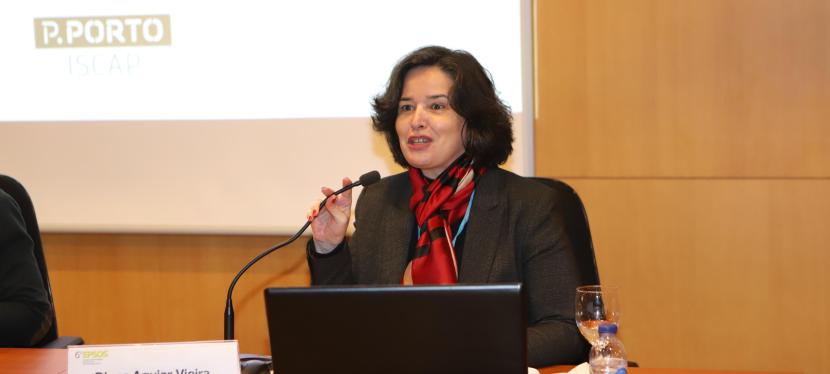
Diana Aguiar Vieira was an invited keynote speaker at the 10th International Congress of Coaching Psychology: Enhancing Resilience, Performance and Health, London, 11-10th October 2020.
You may find the presentation slides below “The Self-Efficacy Coaching Model: Contributions to practice and research”.
The Self-efficacy Coaching Model was published in the Handbook of Coaching Psychology: A Guide for Practitioners (2018) edited by Stephen Palmer and Alison Whybrow. Check Chapter 3 Self-efficacy within coaching and coaching psychology: An integrated Self-efficacy Coaching Model.
Diana teaches at the Porto Accounting & Business School (ISCAP), Polytechnic of Porto (P.PORTO) and she is a researcher at the Centre for Organizational and Social Studies (CEOS.PP), Portugal.
Abstract
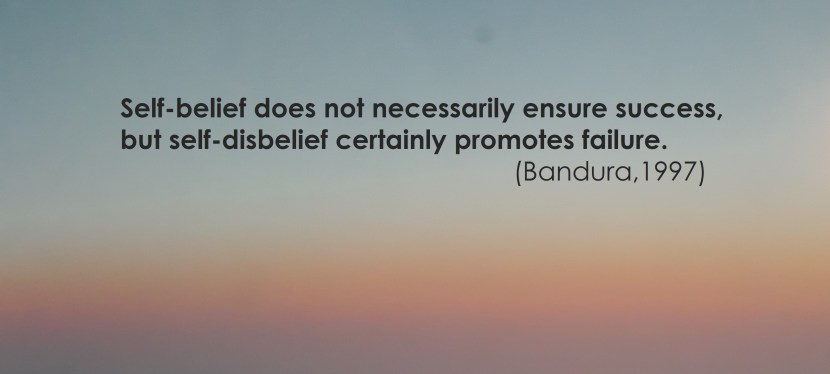
Self-efficacy has been able to explain and predict human behaviour and change in several life domains. Grounded in Social Cognitive Theory, the Self-Efficacy Coaching Model (SEC) integrates the coaching literature that applies the concept of self-efficacy and provides an integrated model that contributes to explain and predict several coaching outcomes. The SEC model is focused on the self-efficacy beliefs of the coaches about their coaching skills, its causes and consequences. The latter includes the coachee’s perspective both in terms of benefits and evaluation of the coach’s skills. This paper presents the Self-Efficacy Coaching Model as well as its evaluation instruments, highlighting the applications of the SEC Model to practice and research.

 beyou-bemore